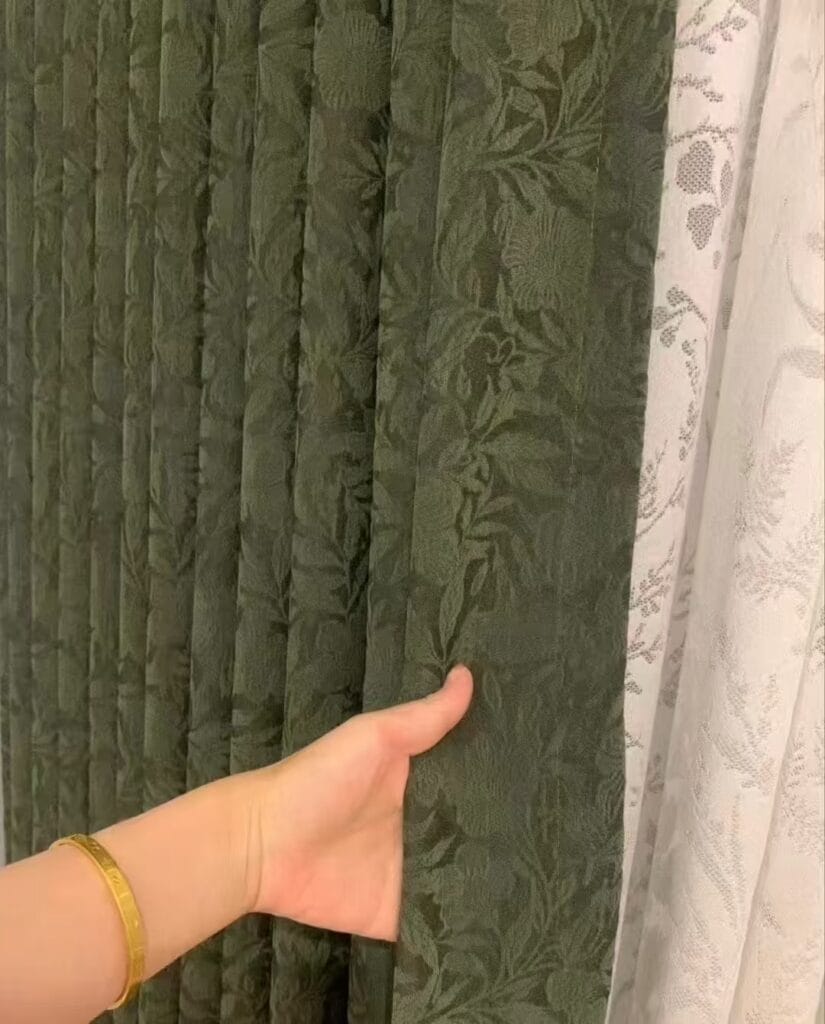
Blackout Curtain Fabric Wholesale: Coated vs Woven Blackout (Buyer Guide)
Wholesale buyers often use the word “blackout” as if it were one fabric. In reality, blackout curtain fabric can be produced with different constructions and finishing routes, and those choices change light blocking, handfeel, durability, and even packing requirements. This guide explains coated vs woven blackout so importers and project buyers can request the right spec, compare quotes fairly, and reduce re-order risk.
If you are building a complete sourcing plan, start with our pillar: Curtain Fabric Wholesale Guide (2026). Browse the category here: Blackout Curtain Fabric Wholesale.
1) Two main blackout routes: coated vs woven
Coated blackout achieves light blocking by applying a coating layer in finishing. Woven blackout achieves light blocking mainly through weave density and yarn system (sometimes with special structures). Both can be used in wholesale programs, but they behave differently in handfeel, stiffness, creasing, and long-term stability.
2) Coated blackout: strengths and trade-offs
Coated blackout is popular because it can reach strong light blocking efficiently. Buyers should confirm the coating type, the target handfeel, and how the coating performs under folding, shipping, and long-term use. In hotel or project programs, the real risk is not “light blocking” but coating consistency and crease behavior.
- Strengths: strong light blocking, wide option range, flexible pricing by coating program.
- Trade-offs: handfeel can be stiffer; coating stability and crease marks require good process control.
- What to ask: coating layer stability, odor control, and how the supplier tests batch consistency.
3) Woven blackout: strengths and trade-offs
Woven blackout can deliver a more “fabric-like” feel because light blocking is achieved through construction rather than a heavy coating. Buyers typically choose woven blackout when they want a softer drape, lower coating-related risk, or a specific surface texture. Availability depends on construction and capacity.
- Strengths: more textile-like handfeel, good drape options, often more stable for long-term projects.
- Trade-offs: some constructions cost more; light blocking level depends on the exact series.
- What to ask: blackout level target, GSM range, and shade band control rules.
4) Specs to confirm before requesting quotes
To compare suppliers fairly, use the same spec sheet for every RFQ. Blackout wholesale pricing becomes inconsistent when buyers share incomplete information. These are the fields that matter most:
- Width: standard and wide width requirements (project programs often need 280–320cm planning).
- GSM: set a target range and tolerance; GSM affects drape and cost.
- Blackout level: clarify the target (e.g., high light blocking for guestrooms) and how it will be evaluated.
- Handfeel: soft / medium / firm; coated routes can vary significantly.
- Color & shade: reference swatch, Pantone, and shade band tolerance.
- Packing: roll length, inner core, outer bag/carton, export labels.
5) QC checklist for bulk blackout programs
Wholesale buyers reduce claims by defining QC rules early. A simple, consistent checklist is better than a long list no one follows.
- Width/GSM checks by batch with recorded results
- Shade band control and lot labeling for traceability
- Defect rules (how to count flaws per roll/length)
- Coating consistency checks (for coated series)
- Packing photo confirmation before shipment
6) Packing & shipping tips (reduce crease and damage issues)
Blackout fabrics, especially coated types, can show crease marks if the packing method is wrong. If you ship long distance, specify roll handling details: use strong end caps, protective outer bags, and avoid excessive compression. For LCL shipments, palletizing can reduce crushing risk. Ask for loading photos and label close-ups so your warehouse team can check the shipment on arrival.
7) Quote request template (copy/paste)
Fabric type: coated blackout / woven blackout (preferred)
Width: target + tolerance
GSM: target range + tolerance
Color: swatch/Pantone/reference
Quantity: rolls per color + total
Destination: country/port/city
Packing: roll length, inner core, bag/carton, export labels
Use-case: hotel guestroom / project / retail
Browse categories: Blackout · Sheer · Fire Retardant · Jacquard. For pricing, use Request a Quote (24h).
FAQ
Is coated blackout always cheaper than woven blackout?
Not always. Pricing depends on width, GSM, coating program, and order quantity. The best approach is to compare quotes using the same spec sheet and reference sample.
Which is better for hotels?
Hotels often prioritize stable batch supply and a consistent finished look. Many programs use coated blackout for strong light blocking, but woven blackout may be preferred when a softer drape is required. The right choice depends on the project target and installation style.