Coated vs. Non-Coated Blackout Curtains: The Ultimate Guide for Hotel Buyers & Designers
For decades, the hospitality industry and commercial interior designers have relied on heavily coated fabrics to achieve total room darkening. However, as the demand for eco-friendly, durable, and luxurious window treatments surges, a significant shift is occurring in 2025. Procurement managers are now actively seeking alternatives to chemical coatings.
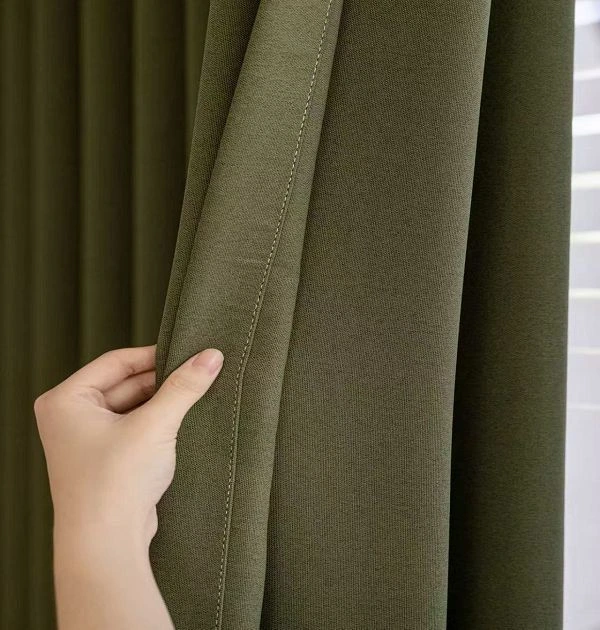
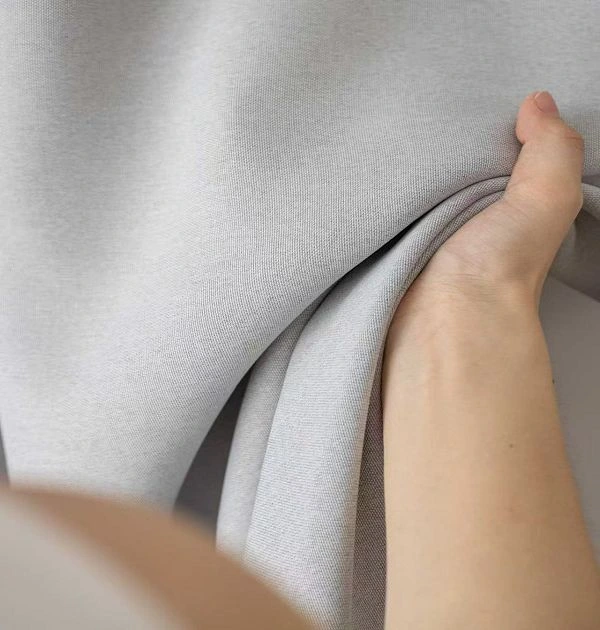
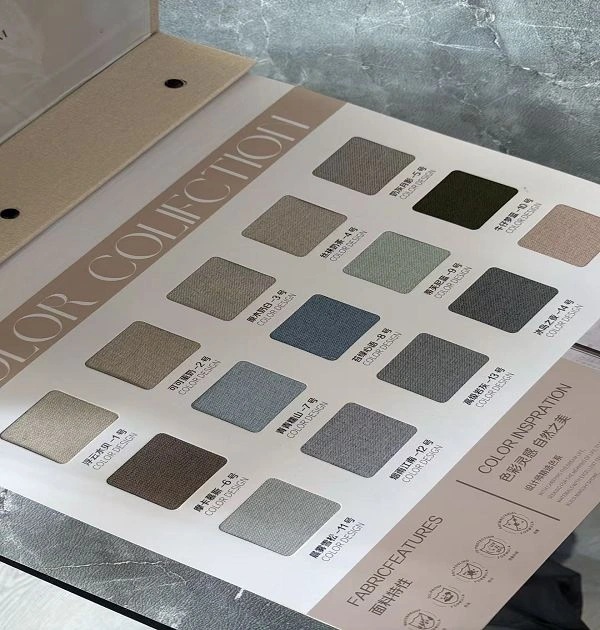
In this comprehensive guide, we will compare coated vs. non-coated blackout curtains, explore the hidden drawbacks of traditional methods, and explain why high-density woven fabrics are becoming the new standard for luxury hotels.
1. Understanding Coated Blackout Curtains
Traditional blackout curtains achieve their light-blocking properties through a chemical process. A standard decorative fabric is sprayed with multiple layers of acrylic or polyurethane foam on the reverse side—commonly referred to as “3-pass” or “4-pass” blackout lining.
The Drawbacks of Chemical Coatings:
- Stiff and Unnatural Drape: The thick foam layer makes the fabric rigid, preventing it from hanging in elegant, natural folds.
- Poor Durability After Washing: Coated fabrics are notoriously difficult to launder. Over time, or after a few dry cleaning cycles, the chemical backing tends to crack, peel, or stick together, resulting in “pinholes” of light shining through.
- Environmental and Health Concerns: Many older coating processes involve Volatile Organic Compounds (VOCs), which can emit a distinct chemical odor when exposed to direct sunlight—a major complaint in hotel guest reviews.
2. The Rise of Non-Coated Blackout Curtains (Physical Woven Blackout)
To solve the problems associated with chemical backings, leading fabric manufacturers in China have developed advanced, ultra-high-density weaving techniques. Instead of applying a coating, these fabrics achieve light blockage purely through their physical construction.
By weaving three layers of yarn tightly together—often with a specialized black yarn in the middle layer—manufacturers can create fabrics that are incredibly thick and effective at blocking light.
The Advantages of High-Density Woven Fabrics:
- Incredibly Soft and Luxurious: Without a stiff foam backing, the fabric retains its natural softness, resulting in a heavy, flawless drape that designers love.
- Extreme Durability: Because the blackout property is woven directly into the fabric, it will never crack, peel, or degrade in the wash.
- Eco-Friendly & Odorless: Free from toxic glues and acrylic foams, making them safer for indoor air quality and perfect for green-certified building projects.
3. Why Weight is the Secret to 100% Shading
One common misconception is that non-coated fabrics cannot achieve a true 100% blackout rate. While this is true for lightweight dim-out fabrics (which usually block 80%-90% of light), heavyweight fabrics have completely changed the game.
When the fabric weight reaches 1000g/m or more, the density of the yarn is so extreme that it naturally blocks 100% of UV rays and visible light, while simultaneously providing superior acoustic insulation (noise reduction) and thermal efficiency.
Looking for the Perfect Non-Coated Solution?
If you are sourcing for a high-end commercial project, we highly recommend exploring our latest innovation. Discover how our 1000g Fine Linen 100% Blackout Curtain Fabric achieves total room darkening purely through high-density physical weaving. With a seamless 280-340cm width and zero chemical coatings, it is the ultimate choice for luxury hotels and bulk wholesale.
4. Sourcing Advice for Wholesalers and Contractors
When purchasing bulk curtain fabrics from China, always ask your supplier these crucial questions:
- “Is the blackout effect achieved through coating or weaving?” (Always prioritize woven).
- “What is the weight (GSM) of the fabric?” (Look for 800g-1000g+ for optimal drape and light blocking).
- “What is the maximum width available?” (Extra-wide rolls of 280cm-340cm save significant labor costs by avoiding vertical seams).
Conclusion
The debate between coated and non-coated blackout curtains has a clear winner in 2025. High-density woven fabrics offer superior longevity, a luxurious aesthetic, and eco-friendly benefits that chemical coatings simply cannot match. For hospitality projects and wholesale distribution, investing in heavyweight, non-coated materials is a strategic move that guarantees client satisfaction.
Frequently Asked Questions (FAQ)
Q1: Are non-coated blackout curtains machine washable?
A: Yes. Because they lack a chemical foam backing, high-density woven fabrics are much easier to launder and will not crack or peel after washing.
Q2: Do woven blackout fabrics reduce street noise?
A: Absolutely. Heavyweight woven fabrics (such as our 1000g collection) have excellent acoustic dampening properties, making them ideal for hotels located in busy city centers.
Q3: Can I get non-coated blackout fabrics with a linen texture?
A: Yes! Modern textile engineering allows manufacturers to create beautiful “fine linen” textures on the surface while maintaining a dense, light-blocking core.
Ready to Source Premium Hotel Fabrics?
Skip the middleman and connect directly with a leading China manufacturer. Request our e-catalogs, physical sample books, and competitive B2B wholesale pricing today. 💬 Chat with Our Experts on WhatsApp
Fast response guaranteed for commercial inquiries.


